
There’s a mental game I like to play when I’m out with friends. How many minutes will it take for ChatGPT to slip into the conversation? I’m not immune to the rage and anxiety that comes with AI showing up uninvited to the party—not to mention nearly every commercial during the Olympics—and nor should I be.
Here’s the thing though. I typically try (depending on the day) not to contribute to the emotional paralysis of this new technology that’s here to stay. Fear without action creates cynicism, and cynicism doesn’t get you anything other than agreeable nods from your like-minded friends. Hope—or more like it, hope for finding a strategy—is the only thing that keeps me from tossing my hands in the air. My current optimism comes from looking backward.
More often than not, industries—including the arts—swing back and forth like a pendulum. Humans respond to new trends with counteracting trends of their own. The Arts and Crafts Movement of the late 19th Century formed in response to the rise of industrialization and the distance that had developed between the worker and the final product. While this allowed companies to move more “efficiently”—corporate speak for “faster” —artistic and social leaders like William Morris and Gustav Stickley noted a lack of quality and artistic connection to handmade goods and helped launch a revolution in response.
William Morris said, “Nothing should be made by man’s labor which is not worth making, or which must be made by labor degrading to the makers.” If you’ve ever had a terrible job that leaves you staring into the abyss at the end of the week, the term “labor degrading to the makers” might hit home.
Writing happens to be the type of creation I feel increases the chances of me shifting someone’s life for the better. Like many creatives making a living, I’ve found my way to article and copywriting. In the shockingly short transition to the rise of ChatGPT, I’ve worked with companies on both sides of the argument. My resume includes jobs that required me to use ChatGPT and other AI tools as well as companies that asked me to sign a contract saying I would never touch the stuff.
And while Chatty (what I call ChatGPT when I’m bleary-eyed after hours of using it) can help my brain come up with new ideas, I can’t help but feel William Morris wouldn’t have loved the fact that I need it in the first place. When an industry works a writer so hard that they are no longer capable of being creative, it makes you wonder what they hired the writer for in the first place.
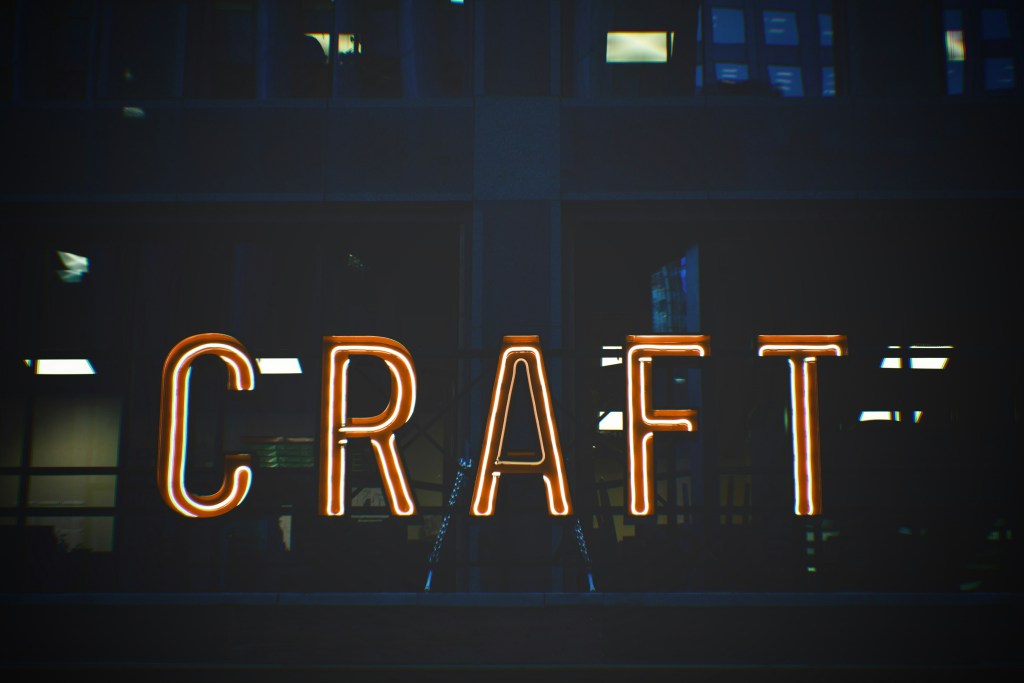
All this being said, my hope resides in that we as a culture will respond to ChatGPT with a call for craft just as those in the Arts and Crafts Movement did. After all, we’ve done it more recently with food and beer. The response to decades of TV dinners, fast food, and other dining schemes that ensured we ate faster and got back to work, led to the farm-to-table restaurants, the Slow Food Movement, and microbreweries from here to Hackensack.
And, yes, like all other craft movements, craft writing will, and should, cost more. It’s important to keep in mind that what costs more to a company often means a living wage—or, hallelujah—a “thriving wage” for the humans doing the creating.
Why would a company spend more on craft writing when they can just use a robot? The same reason they always do something: demand from customers. This is where we all come in. We can push the pendulum toward a collective appreciation for craft before someone wealthy enough does—William Morris may have been a proud socialist, but he also came from a pretty comfortable situation—to get an industry’s attention.
Buying books, subscribing to literary journals, supporting independent art, and celebrating brands that showcase their writer’s work and personalities—yes, they exist—is the way complaints over a glass of wine can turn into action. We can vote for leaders dedicated to supporting the arts and we can donate to organizations training and celebrating those who can’t simply start a movement of pricey chairs and mod houses reserved for the wealthy. Above all else, we can celebrate the writing that takes creative focus, editor feedback, and peer collaboration.
I am not naïve enough to think that AI will simply go away. It is certainly a tool that can aid the creative process. But remember, you can use a hammer to build a wall, or you can use it to hack the wall to pieces. Demanding craft from the words we consume every day offers a clearer hope of using this new tool in the best way possible—without turning today’s wordsmiths into overworked and underpaid machines moving articles down an assembly line.
 Maybe There Will Be Cupcakes